Bug Report: Hales Corners, Wisconsin – 2026-03-17
This Forecast is Out of Date. Please visit https://justbiteme.com/regional-bug-bite-forecast for an updated forecast

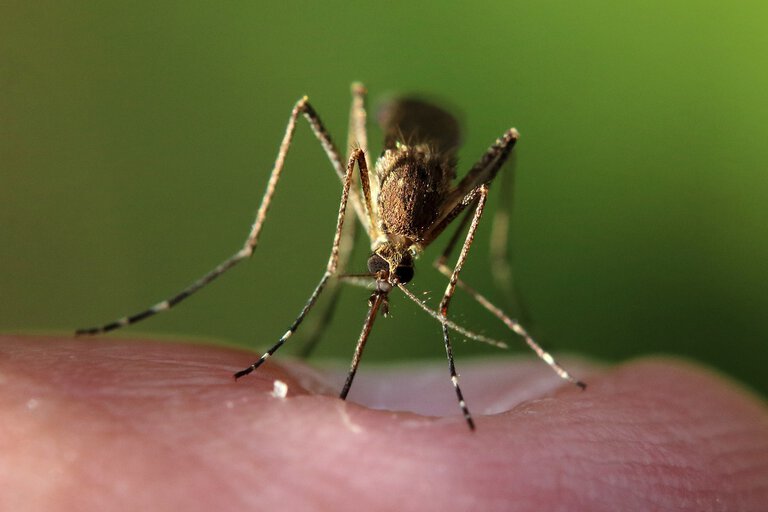
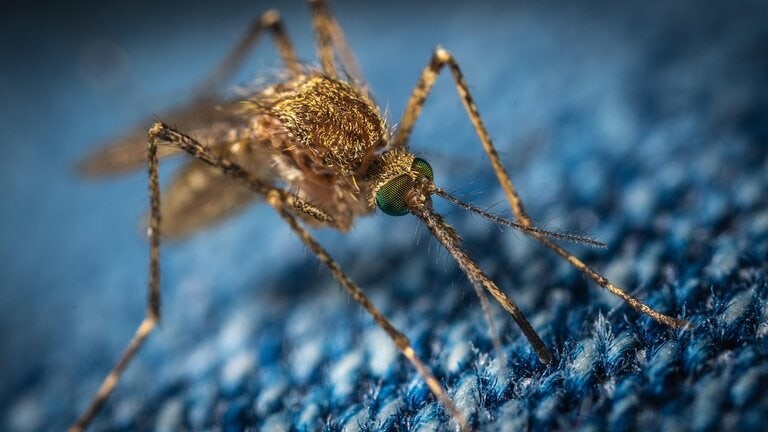
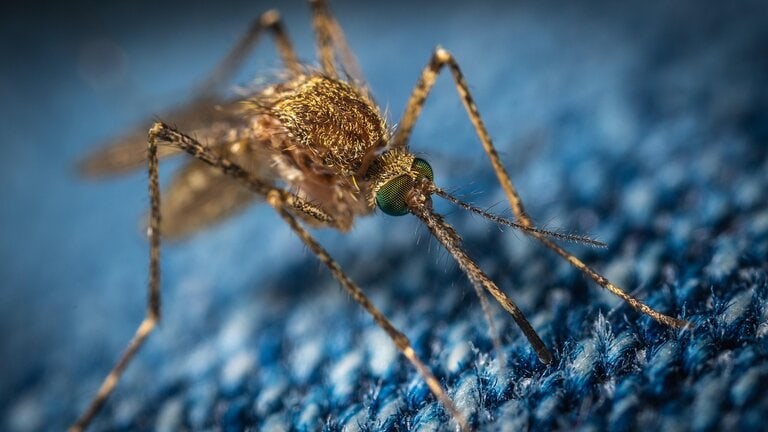
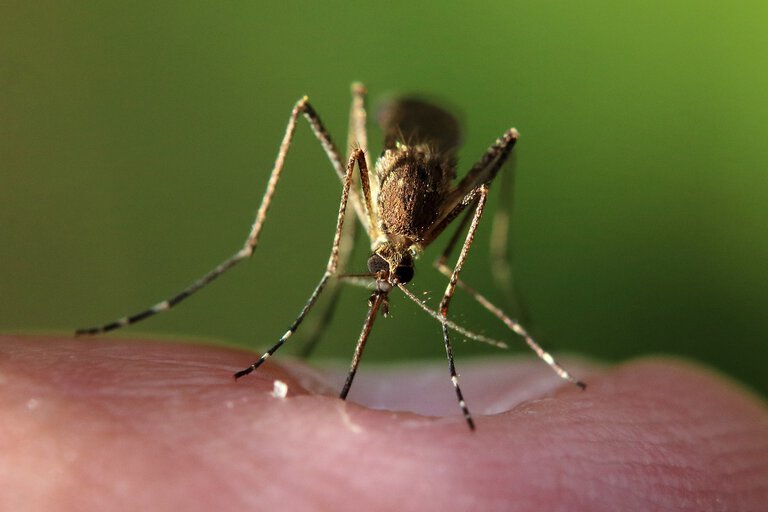
Image: Pixabay
Your Weekly Pest Control Hales Corners Wisconsin Update: Chilly Clouds Keep Critters Calm
Welcome back to your trusted source for pest control Hales Corners Wisconsin insights! This week, as we navigate mid-March, Hales Corners is experiencing typical late-winter conditions with a cloudy 31°F (-0.55°C) and a high 92% humidity. For those of us living in this part of Wisconsin, nestled in the humid continental climate of the Upper Midwest, these lingering chilly temperatures mean something rather good for homeowners: our pest risk level is currently low. While you might still be bundling up for a walk around Hales Corners Park or enjoying a warm beverage indoors, most common nuisance pests are doing the same – staying dormant or very inactive.
This Week’s Weather and What It Means for Bugs
This week’s frigid temperature of -0.55°C (31°F) in Hales Corners means that nearly all outdoor insect activity has ceased. Most insect species are either in a state of diapause (a period of arrested development), have died off, or have sought shelter indoors for overwintering. For common nuisance pests like the Boxelder bug (Boisea trivittata) and the Asian lady beetle (Harmonia axyridis), these conditions necessitate finding warm, sheltered harborage within structures. According to entomological research from the University of Wisconsin, temperatures consistently below freezing, such as our measured -0.55°C, effectively shut down their metabolism, causing them to enter a dormant state where they consume minimal energy until warmer spring temperatures arrive. While in this state, their activity is extremely limited, but they remain a potential nuisance if disturbed indoors.
The high relative humidity of 92% observed this week, coupled with the near-freezing temperatures, presents a nuanced effect on pests. For indoor-dwelling insects like the German cockroach (Blattella germanica), the low outdoor temperature of -0.55°C keeps them firmly ensconced within heated structures, as they are not adapted to cold survival. However, the elevated outdoor humidity can contribute to higher indoor moisture levels, particularly in less insulated or poorly ventilated areas. Research from Purdue University indicates that German cockroaches thrive in environments with high relative humidity, often preferring conditions between 70-90%. A sustained outdoor humidity of 92% can therefore create or maintain optimal microclimates within homes and businesses, potentially supporting their reproductive rates and nymphal development, even as the cold exterior limits any chance of outdoor dispersal.
What to Do This Week in Hales Corners
Even with the bug risk level remaining low this week in Hales Corners, the frosty 31°F temperatures and high 92% humidity mean many pests are actively seeking warmth and shelter indoors. Now is a crucial time to seal up any cracks or crevices around your foundation, windows, and utility entry points. A gap as small as a quarter-inch is an open invitation for mice, spiders, and overwintering insects like boxelder bugs or lady beetles to find refuge from the cold. Additionally, with such high humidity, paying close attention to moisture control inside your home is vital. Ensure your basement and crawl spaces are well-ventilated and address any leaks promptly; excess moisture can attract silverfish, sowbugs, and even carpenter ants looking for damp wood.
For homeowners in Hales Corners, particularly those with older homes common in our area, take a moment this week to inspect your gutters and downspouts. While it’s cold, melting snow and ice can still cause water to back up or pool if drainage is blocked. Clearing any debris now prevents future water damage that attracts pests, and eliminates potential breeding grounds for mosquitoes and other insects once warmer weather arrives. By taking these proactive steps, you’re not just dealing with immediate threats, but truly investing in long-term protection. If you find any persistent issues or need expert guidance, remember that effective pest control Hales Corners Wisconsin starts with prevention.
Frequently Asked Questions about Pest Activity in Hales Corners
What common pests should Hales Corners residents watch for in mid-March?
In mid-March, Hales Corners homeowners might still encounter overwintering pests like boxelder bugs or Asian lady beetles seeking warmth indoors. Rodents, such as mice, can also remain active, especially if outdoor food sources are scarce. While outdoor insect activity is low, checking for spiders and occasional ants indoors is prudent during this transition period.
Are homes near Whitnall Park in Hales Corners more susceptible to certain pests?
Homes adjacent to Whitnall Park in Hales Corners, with their proximity to natural areas, may experience increased activity from rodents, especially mice and voles, seeking shelter or food. Wildlife like raccoons or squirrels can also be more prevalent. Additionally, spring can bring early carpenter ant activity as they emerge from overwintering sites in nearby trees.
When is the best time for preventative pest control in Hales Corners, Wisconsin?
Proactive pest management is key. For many common Wisconsin pests, early spring (March/April) is an excellent time to implement preventative measures before populations boom. Addressing vulnerabilities now can significantly reduce issues later. If you’re concerned about potential infestations, contacting a local service for pest control Hales Corners Wisconsin can help identify and treat problems effectively.
What steps can Hales Corners residents take to prevent early spring pest entry?
To deter early spring pests in Hales Corners, seal cracks and gaps around foundations, windows, and utility entry points. Ensure screens are intact and doors have good weather stripping. Clear leaf litter and debris from around your home’s perimeter, as these provide harborage for insects and rodents. Keep attics and basements dry and free of clutter.
Protect Your Home in Hales Corners, Wisconsin
Don’t let local bug activity catch you off guard. Visit our local store to get expert advice and the right supplies for your specific location.