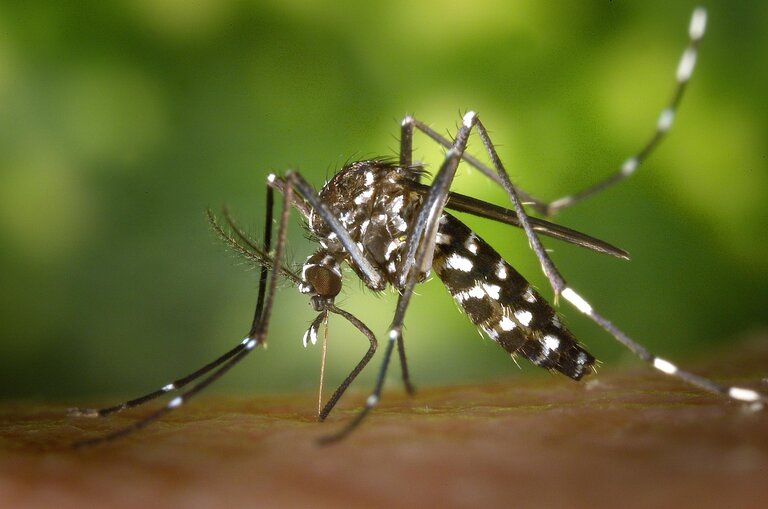
What Is a Clean Ingredient Balm for Bug Bites?
A clean ingredient balm for bug bites is a portable, natural-formula topical stick made from recognizable, low-irritant ingredients, typically beeswax, coconut oil, baking soda, lemongrass oil, and wintergreen oil, designed to temporarily soothe itching and minor irritation from mosquito bites, bee stings, chiggers, and poison ivy. If you want a ready-made option that checks every one of those boxes, Justbiteme is built exactly for that purpose. The CDC recommends a baking soda paste for mosquito bite itch, and a 2024 topical study confirmed that properly formulated lemongrass preparations can be effective and safe without signs of irritation or hypersensitivity. Both ingredients sit at the heart of what makes a clean balm work.
Table of Contents
- What “clean ingredient balm” really means for bug bites
- Which ingredients actually do the work
- How the balm relieves itching, step by step
- How to use a clean-ingredient balm safely
- What to look for on a clean balm label
- Stick balms vs. creams, pastes, and DIY remedies
- Key Takeaways
- Why we keep the formula simple
- Justbiteme: a clean balm built for your pack
- Sources and further reading
What “clean ingredient balm” really means for bug bites
The phrase “clean ingredient” in skincare generally means a short list of recognizable, non-synthetic ingredients chosen for low irritation potential and temporary symptomatic relief, with nothing hidden behind a vague “fragrance” label.
This type of balm targets:
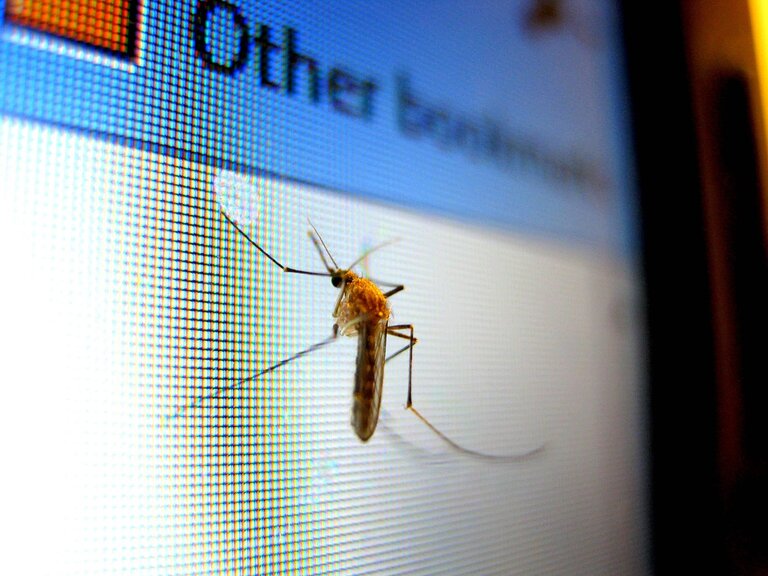
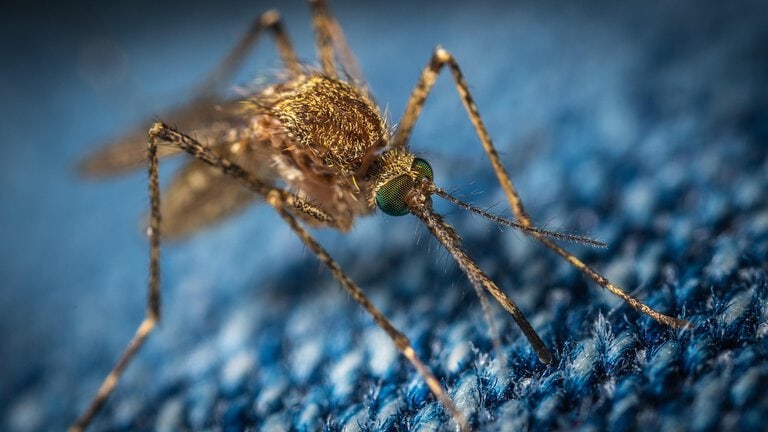
- Mosquito bites — the most common outdoor itch trigger
- Bee and wasp stings (minor, non-allergic reactions only)
- Chigger bites — intense localized itching from mite larvae
- Poison ivy and poison oak — mild urushiol-driven skin irritation
- General localized itching from other insect contact
A few things this balm is not:
- Not a prescription treatment or a substitute for antihistamines or corticosteroids for severe reactions
- Not designed to replace emergency care when anaphylaxis or systemic symptoms appear
- Not a facial cleansing product — that is a completely different category with a different audience and different ingredients
Which ingredients actually do the work
Beeswax and coconut oil: the delivery system
The beeswax and coconut oil base is not filler. Formulation experts note that a beeswax-plus-carrier-oil system keeps active ingredients at the bite site and reduces the need for constant reapplication compared with a loose paste. Beeswax creates a breathable barrier that slows evaporation; coconut oil carries the actives into the upper skin layers. You can read more about how beeswax protects irritated skin at the molecular level.
Baking soda: the anti-itch workhorse
Sodium bicarbonate (baking soda) is the most evidence-backed home remedy for bug-bite itch. The CDC recommends mixing one tablespoon with enough water to form a paste and leaving it on for 10 minutes. Mayo Clinic goes further, suggesting reapplication up to three times a day until itch subsides. A balm locks that same active into a stable, portable format without the mess.
Lemongrass oil: anti-inflammatory botanicals
Lemongrass essential oil contains citral and geraniol, compounds that show anti-inflammatory properties and may reduce pain, swelling, and itch when properly diluted. The 2024 study linked above found no evidence of irritation or hypersensitivity in trial conditions, which matters when you are applying a product repeatedly on a camping trip. Lemongrass can be photosensitive in undiluted form; a controlled balm concentration reduces that risk significantly. See how a lemongrass balm for bug bites is formulated to stay within safe dilution ranges.
Wintergreen oil: the counterirritant
Wintergreen oil contains methyl salicylate, a counterirritant that creates a brief cooling or warming sensation that distracts nerve receptors from the itch signal. It works quickly, which is why you feel relief within minutes of application. One caution: wintergreen is not recommended for children under two, and anyone with aspirin sensitivity should check with a healthcare provider before use. Medical News Today notes that essential oils can provide cooling or antimicrobial effects, but dilution is critical to avoid skin irritation.
Statistic callout: The CDC’s baking soda protocol (1 tablespoon mixed to a paste, applied for 10 minutes) is the most widely cited at-home anti-itch recommendation from a U.S. federal health authority for mosquito bites.
How the balm relieves itching, step by step
The balm works through two overlapping mechanisms. First, the beeswax-and-oil base creates a light occlusive barrier the moment you apply it, holding the actives against the skin instead of letting them evaporate or rub off. Second, the actives themselves get to work: wintergreen’s counterirritant effect is nearly immediate, while baking soda’s pH-buffering and lemongrass’s anti-inflammatory compounds take roughly 10–30 minutes to reach their full effect, consistent with the CDC’s recommended 10-minute contact time for a baking soda paste.

The sequence looks like this: contact with skin → barrier and occlusion → slow release of actives → cooling/distracting sensation → gradual anti-inflammatory and antipruritic action.

Pro Tip: Apply the balm right after cleaning the bite site with water. The skin is slightly more permeable when damp, which helps the coconut oil carrier deliver actives more efficiently.
A balm will not help when a reaction is systemic. Spreading redness, facial or neck swelling, difficulty breathing, or a fever after a sting are signs to call 911 or get to an emergency room immediately. No topical product addresses those symptoms.
How to use a clean-ingredient balm safely
- Reapply as needed — , following the product’s frequency guidance. Mayo Clinic’s guidance for baking soda paste suggests up to three times daily.
When to see a doctor: seek medical care if you notice spreading redness or red streaks, pus or significant swelling, a fever, hives beyond the bite site, or any difficulty breathing. These signs point to infection or allergic reaction that a topical balm cannot treat.
Storage and shelf life: store in a cool, dry place away from direct sunlight. Beeswax-based balms are naturally more stable than water-based creams and typically maintain potency for 12–24 months. Heat can soften the stick, so keep it out of a hot car.
For families concerned about sensitive skin, fragrance-free balm options and patch-testing guidance are worth reviewing before your first outdoor trip of the season.
What to look for on a clean balm label
Reading an ingredient panel takes about 30 seconds once you know what to look for. Here is a quick checklist:
Look for:
- Beeswax (Cera Alba) near the top of the list — it anchors the delivery system
- A named carrier oil (coconut oil, jojoba, sweet almond) rather than a generic “oil blend”
- Sodium bicarbonate (baking soda) listed explicitly
- Named essential oils with concentration guidance (lemongrass, wintergreen, peppermint)
- “No synthetic fragrances” or “fragrance-free” language when the product targets sensitive skin
Red flags:
- “Fragrance” or “parfum” with no further detail — this can mask dozens of undisclosed chemicals
- Essential oil concentrations above 2–3% without dilution guidance
- “All-natural” claims paired with a long INCI list of synthetic preservatives or emulsifiers
- Any claim that the product cures, treats, or prevents severe allergic reactions
An independent ingredient checker for skincare can help you verify specific ingredient safety ratings before you buy.
Stick balms vs. creams, pastes, and DIY remedies
| Format | Portability | Mess | Longevity on skin | Best for |
|---|---|---|---|---|
| Stick balm | High — fits in a pocket | Very low | High (beeswax barrier) | Hiking, camping, repeated outdoor use |
| Cream/lotion | Medium | Moderate | Medium | Home use, larger areas |
| Baking soda paste | Low — needs water | High | Low — rinses off | Immediate home relief |
| Undiluted essential oil | Medium | Low | Medium | Not recommended without carrier |
A baking soda paste is cheap and works at home when you have a sink nearby. Healthline and other consumer health sources list it alongside lavender, peppermint, and witch hazel as anecdotal options, but all carry the same caveat: dilution and skin contact time matter. The problem outdoors is obvious — you rarely have a tablespoon of baking soda and clean water on the trail.
A prepared stick balm solves that. The beeswax base keeps the formula stable in your pack, the dose is consistent every time, and there is no risk of applying an undiluted essential oil directly to irritated skin. For families who want a natural bite remedy that travels well, a stick format is the practical choice.
Ethical sourcing note: look for products that use sustainably sourced beeswax (ideally from U.S. or certified apiaries) and responsibly harvested botanicals. Lemongrass is widely cultivated and generally low-impact; coconut oil sourcing varies more widely, so a brand that names its supply chain is a good sign.
Key Takeaways
A clean ingredient balm for bug bites combines a beeswax-and-carrier-oil delivery system with evidence-backed actives like baking soda, lemongrass, and wintergreen to provide temporary, portable itch relief for outdoor families.
| Point | Details |
|---|---|
| Definition | A clean balm uses recognizable, non-synthetic ingredients in a beeswax-oil base for temporary bug-bite itch relief. |
| Key active ingredient | Baking soda (sodium bicarbonate) is CDC- and Mayo Clinic-recommended for topical anti-itch application. |
| Safe use | Patch test before first use; avoid use on children under two without pediatric approval; seek medical care for systemic symptoms. |
| Format advantage | A stick balm outperforms a paste outdoors because the beeswax barrier keeps actives on skin longer with no mess. |
| Justbiteme | Justbiteme’s five-ingredient stick balm (beeswax, coconut oil, baking soda, lemongrass, wintergreen) is a ready-made option built to this definition. |
Why we keep the formula simple
There is a temptation in the natural-products space to keep adding ingredients — more oils, more botanicals, more claims. We think that approach gets it backwards. The evidence for bug-bite relief points to a small set of well-understood actives: baking soda for itch, a beeswax-oil base to hold everything in place, and carefully diluted essential oils for anti-inflammatory and counterirritant support. Adding more ingredients does not make a balm more effective; it makes it harder to identify what is causing a reaction if one occurs.
Justbiteme’s formula exists because outdoor families need something they can actually trust on a trail, not a product with a 30-ingredient panel that requires a chemistry degree to evaluate. Ingredient transparency is not a marketing angle for us. It is the whole point. If you want to check the full formulation or have questions about pediatric use, the product page has the details.
Justbiteme: a clean balm built for your pack
When you are three miles into a hike and a mosquito finds the one spot your repellent missed, you want relief that fits in your pocket and works without a sink nearby.
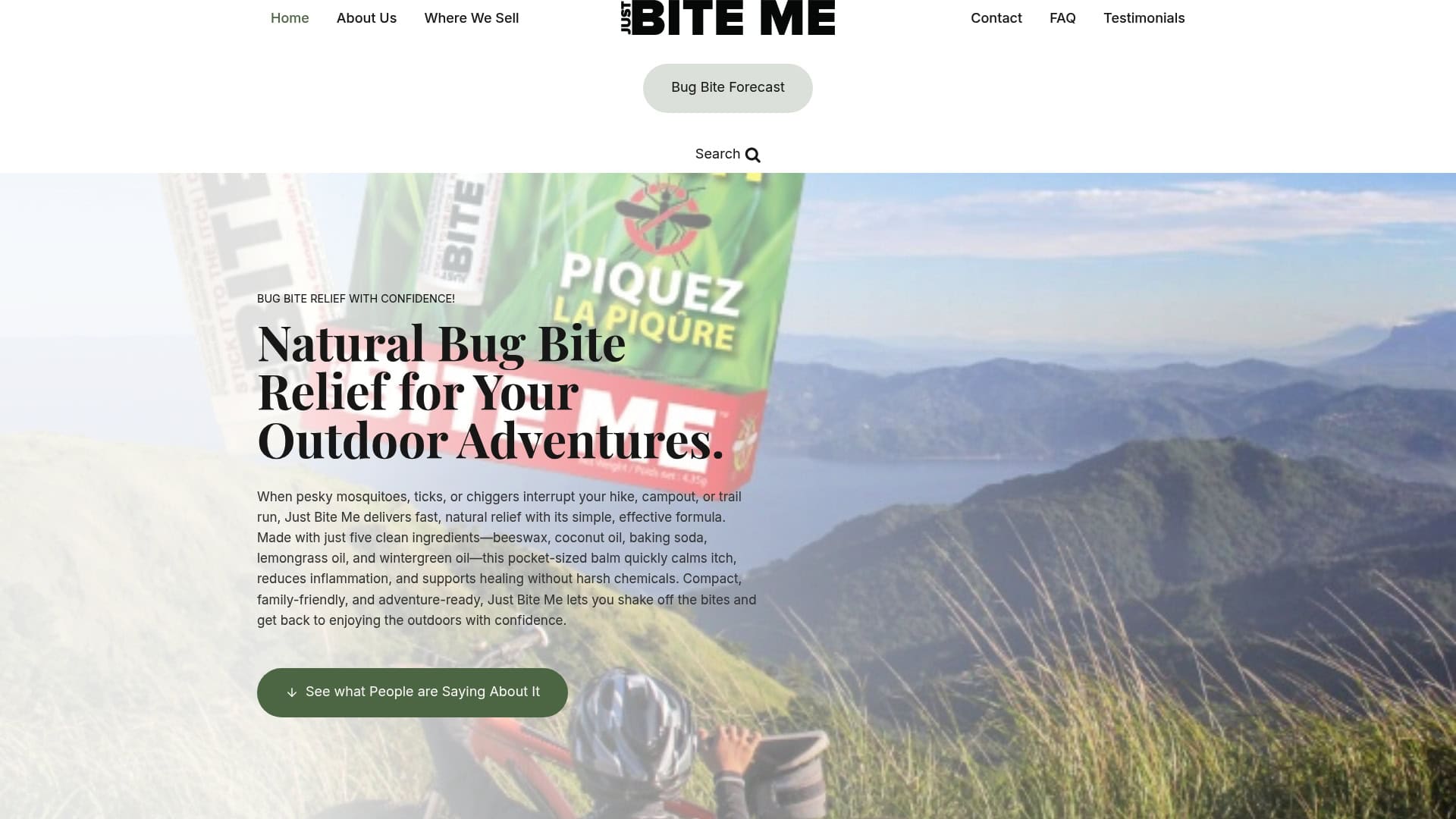
Justbiteme’s stick balm delivers exactly that: five clean ingredients (beeswax, coconut oil, baking soda, lemongrass oil, and wintergreen oil) in a compact format sized for a backpack hip belt, a family first-aid kit, or a gardening apron pocket. The beeswax base keeps it stable in warm weather; the baking soda and essential oils get to work on contact. No synthetic fragrances, no long chemical list, no guessing about what you are putting on your kid’s arm.
Toss one in your camping first-aid kit, your gardening bag, or your everyday carry. Find Justbiteme at outdoor retailers, pharmacies, and local shops, or visit justbiteme.com to locate a retailer near you or order direct.
Sources and further reading
- CDC: About Mosquito Bites
- Mayo Clinic: Mosquito Bites — Diagnosis and Treatment
- 2024 Lemongrass Topical Safety Study (DOI)
- Healthline: Home Remedies for Mosquito Bites
- Medical News Today: Essential Oils for Itchy Bug Bites
- Essential Oils for Bug Bites: Science-Backed Relief Guide
- Adventist HealthCare: Preventing and Treating Bug Bites
This article is general information, not medical advice. For severe reactions, systemic symptoms, or questions about use in young children, consult a healthcare provider or your local poison control center.