Natural Bite Stick Review Roundup for Outdoors
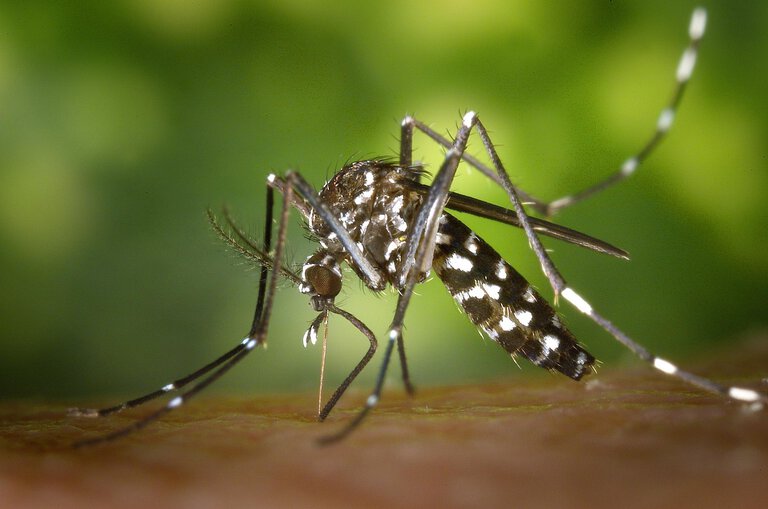
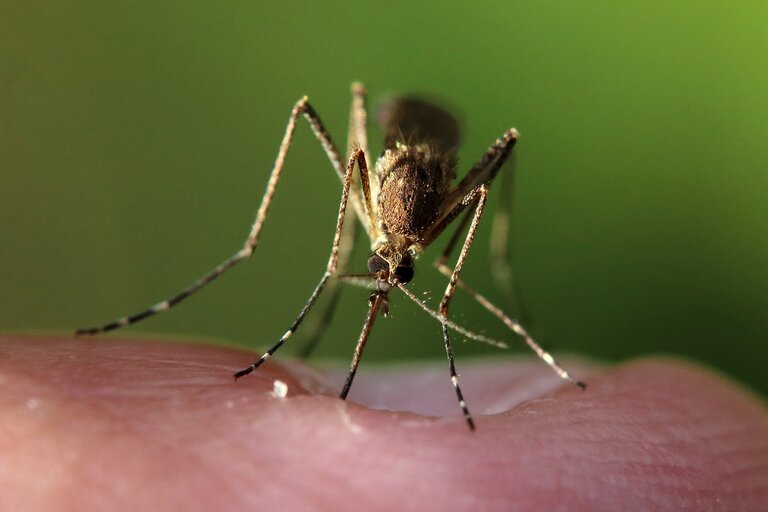
A mosquito bite can turn a perfect campfire, backyard barbecue, or afternoon in the garden into a scratch-fest fast. This natural bite stick review roundup focuses on what actually makes a topical itch helper worth keeping in your backpack, purse, car, or tackle box: ingredients you recognize, easy application, a comfortable feel, and a formula you will want to use when the bites show up.
The best option is not always the one with the flashiest label or the longest ingredient list. For outdoor families and anyone who would rather be on the trail than hunting through a medicine cabinet, a good bite stick should make relief feel simple.
What a Natural Bite Stick Should Do
A bite stick is not bug spray. Its job is to help calm the discomfort after a mosquito, gnat, chigger, or other pesky insect has already made its presence known. That distinction matters. If you expect a bite stick to prevent bites, you may be disappointed. If you want something that helps take the edge off an itch so you can get back to the fun, it can earn a permanent place in your outdoor kit.
The format is a big part of the appeal. Unlike creams that can spill in a beach bag or leave your hands feeling greasy, a solid stick puts the product right where you want it. Swipe it over the irritated spot, put the cap back on, and keep moving. No squeezing, no mess, and no need to rub product all over your fingers.
Natural formulas vary widely, so the word “natural” alone is not a guarantee of a great experience. A formula still needs to feel good on skin, travel well in changing temperatures, and include ingredients that make sense for the job. The right stick is the one that brings practical relief without adding one more hassle to a day outside.
Natural Bite Stick Review Roundup: What to Compare
When comparing natural bite sticks, start with the ingredient label. A shorter list can be reassuring because it tells you exactly what you are applying when your skin is already irritated. Look for purposeful ingredients instead of a long list of fillers, artificial fragrances, or mystery blends.
Cooling botanical ingredients can make a bite feel less distracting, while gentle bases such as beeswax and coconut oil help a stick glide on smoothly. Baking soda is another familiar ingredient many people appreciate in topical itch-care products. The goal is not a complicated science project. It is a comfortable, easy-to-use formula that makes an annoying moment feel more manageable.
Scent deserves a quick check, too. A strong fragrance may be fine for some people, but it can be a deal-breaker for a child in the backseat or anyone sensitive to heavily scented products. A fresh, outdoorsy scent that does not linger too loudly is often the sweet spot. You want to notice the relief, not feel like you have covered yourself in perfume.
Texture separates a stick you use once from one you bring everywhere. A good stick should glide across skin without dragging, crumbling, or leaving a thick, waxy film. It should also feel tidy enough to use between innings at a ball game, while walking the dog, or before settling into a sleeping bag.
Finally, consider the size. A bite stick does not need to take up much room to be useful. Small, durable packaging is especially helpful for families because it is easier to keep one in the diaper bag, one in the glove box, and one near the back door. When a bite starts itching, convenience is not a small detail. It is the difference between using it right away and forgetting it exists.
The Ingredients That Make Sense for Outdoor Days
A thoughtful natural stick usually balances two needs: a soothing application experience and a solid base that stays put. Wintergreen can provide a crisp, cooling sensation that feels especially welcome on a hot, itchy bite. Lemongrass brings a bright, fresh note, while beeswax and coconut oil create the smooth, portable structure that makes a stick practical.
Just Bite Me uses a simple five-ingredient blend of wintergreen, lemongrass, baking soda, beeswax, and coconut oil. That kind of clarity is useful when you are buying for your household. You can read the label, understand the ingredients, and decide whether the product fits your preferences without decoding a long list of unfamiliar names.
Ingredient simplicity is also helpful for parents who are tired of packing separate products for every little outdoor inconvenience. One compact stick can be easy to reach for after a mosquito bite, a brush with poison ivy, or a run-in with a fire ant. Still, every person and every skin type is different. A product that feels great for one camper may not be the best choice for another, especially if they have known sensitivities to botanical ingredients.
What Real-World Use Looks Like
The best time to use a bite stick is when you notice the itch, not after you have spent an hour scratching it. Keep it where outdoor life happens: near the patio door, in the hiking pack, beside the sunscreen, or in the center console. That simple habit gives you a better chance of responding before irritation steals your attention.
Apply the stick directly to clean, intact skin as directed on the package. A few smooth passes are generally easier and neater than scooping out a balm with your fingers. If the itch returns later, follow the product directions for reapplication. For active days, it helps to bring the stick along rather than leaving it back at camp or at home.
There are trade-offs to keep in mind. Solid sticks are wonderfully portable, but they may soften in extreme heat or become firmer in cold weather. Oil-and-wax bases can feel nourishing, though someone who dislikes any residue may prefer a lighter formula. A lightly scented botanical blend can be refreshing, but fragrance-sensitive users should always check the label and try a small amount first.
Safety Is Part of a Good Review
A natural product deserves the same common-sense care as any other topical item. Avoid using a bite stick on open wounds, in eyes, or on skin that is badly broken or infected. If you are trying a product for the first time, test a small area of skin first, particularly for children or anyone with sensitive skin.
Some bites and stings call for more than a topical comfort product. Seek prompt medical care for trouble breathing, swelling of the lips or throat, dizziness, widespread hives, signs of infection, or a severe reaction after a bee or wasp sting. If irritation keeps worsening instead of improving, it is worth checking in with a healthcare professional.
That does not take away from the value of having a dependable bite stick on hand. It simply puts it in the right role: an everyday outdoor essential for everyday itchy moments, not a replacement for medical help when symptoms are serious.
The Bottom Line for Your Outdoor Bag
The strongest natural bite stick is one you can understand, carry easily, and reach for without thinking twice. Look for a clear ingredient list, a smooth application, a scent you enjoy, and packaging sturdy enough for real life outside. Reviews matter, but your routine matters more. A product that stays buried in a cabinet cannot help much when mosquitoes arrive at sunset.
Before your next hike, garden session, beach day, or family picnic, tuck a natural bite stick beside the sunscreen. A little preparation can keep a tiny bite from becoming the loudest part of a great day outdoors.